

M F A

Insights

Waste Management

Waste Management

Waste Management

MFA Insights is a strategic solutions provider specializing in the holistic management of industrial waste, wastewater, and organic waste. Their innovative approach integrates this data-driven analysis with cutting-edge technology to offer advanced circular economy solutions.

SOLUTIONS

Waste Management

MFA Insights is a strategic solutions provider specializing in the holistic management of industrial waste, wastewater, and organic waste. Their innovative approach integrates this data-driven analysis with cutting-edge technology to offer advanced circular economy solutions.

MFA Insights is a strategic solutions provider specializing in the holistic management of industrial waste, wastewater, and organic waste. Their innovative approach integrates this data-driven analysis with cutting-edge technology to offer advanced circular economy solutions.

MFA Advantage

MFA Insights supports clients in turning waste challenges into operational opportunities. We provide strategic assessments, streamline waste flows, enhance recycling and recovery efforts, and introduce technologies that improve tracking, compliance, and efficiency—building a more sustainable and cost-effective waste ecosystem.

Waste Water Management

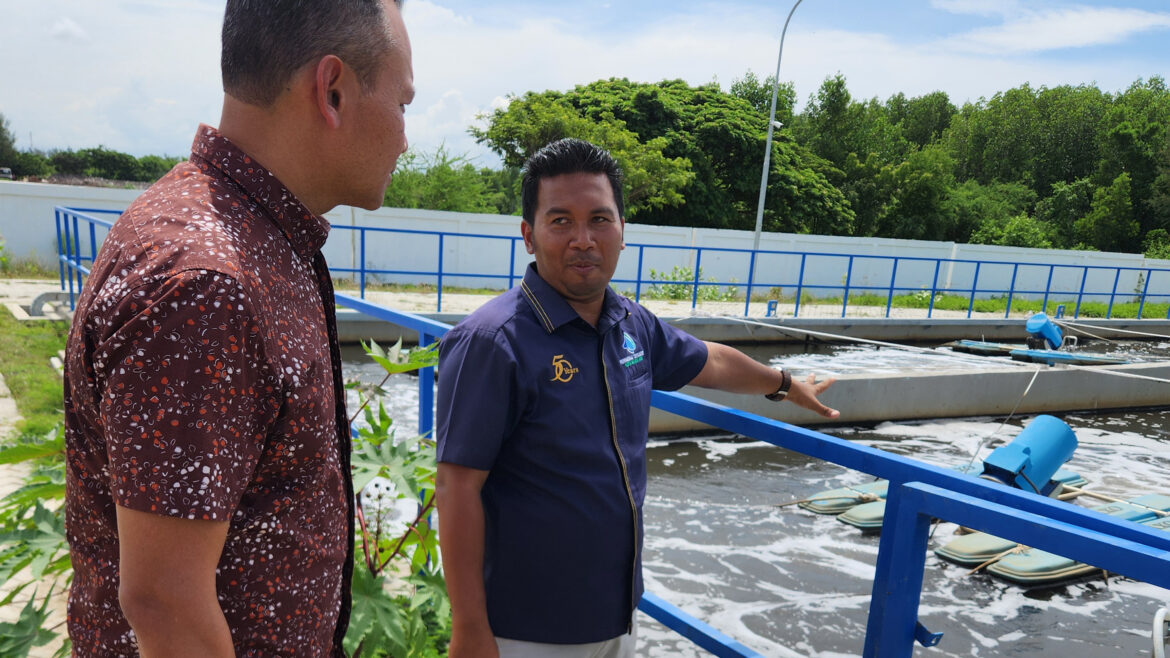
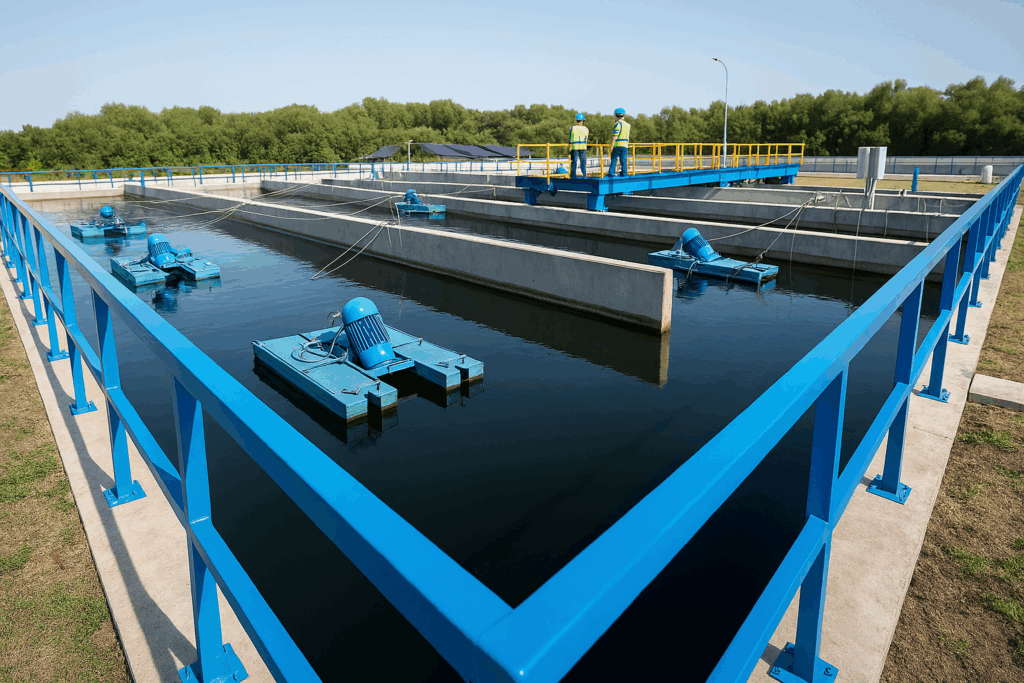
Wastewater management is the systematic process of collecting, treating, and disposing of or reusing water that has been used in domestic, industrial, or agricultural activities. As of 2025, it has evolved from a basic disposal necessity into a vital component of the Circular Economy, focusing on resource recovery and environmental sustainability.

Importance of Wastewater Management

Public Health Protection:
It acts as a primary defense against waterborne diseases like cholera, dysentery, and typhoid by removing harmful pathogens from sewage before they re-enter the community water cycle.

Water Scarcity Mitigation:
With global water stress intensifying, treated wastewater provides a reliable alternative source for non-potable uses, such as irrigation and industrial cooling, reducing the demand for limited freshwater.

Environmental Integrity:
Treatment prevents eutrophication—a process where excessive nutrients like nitrogen and phosphorus cause algal blooms that deplete oxygen and kill aquatic life—thereby preserving biodiversity in rivers and oceans.

Organic Waste Management

Organic waste refers to biodegradable materials derived from plants, animals and other living organisms that can be broken down naturally by microorganism. As of 2025, organic waste management has become a multi-billion dollar industry (estimated at over $360 billion) and a cornerstone of the global shift toward a circular economy.

Organic waste management offers significant environmnental and economic advantages by converting waste into beneficial resources. This process mitigates methane emissions, sequesters carbon, prevents pollution, regenerates soil and generates renewable energy.

MFA Advantage

MFA Insights supports clients in turning waste challenges into operational opportunities. We provide strategic assessments, streamline waste flows, enhance recycling and recovery efforts, and introduce technologies that improve tracking, compliance, and efficiency—building a more sustainable and cost-effective waste ecosystem.

Waste Water Management

Wastewater management is the systematic process of collecting, treating, and disposing of or reusing water that has been used in domestic, industrial, or agricultural activities. As of 2025, it has evolved from a basic disposal necessity into a vital component of the Circular Economy, focusing on resource recovery and environmental sustainability.

Importance of Wastewater Management

Public Health Protection:
It acts as a primary defense against waterborne diseases like cholera, dysentery, and typhoid by removing harmful pathogens from sewage before they re-enter the community water cycle.

Water Scarcity Mitigation:
With global water stress intensifying, treated wastewater provides a reliable alternative source for non-potable uses, such as irrigation and industrial cooling, reducing the demand for limited freshwater.

Environmental Integrity:
Treatment prevents eutrophication—a process where excessive nutrients like nitrogen and phosphorus cause algal blooms that deplete oxygen and kill aquatic life—thereby preserving biodiversity in rivers and oceans.

Organic Waste Management

Organic waste refers to biodegradable materials derived from plants, animals and other living organisms that can be broken down naturally by microorganisms. As of 2025, organic waste management has become a multi-billion dollar industry (estimated at over $360 billion) and a cornerstone of the global shift toward a circular economy.

Organic waste management offers significant environmental and economic advantages by converting waste into beneficial resources. This process mitigates methane emissions, sequesters carbon, prevents pollution, regenerates soil and generates renewable energy.

MFA Advantage

MFA Insights supports clients in turning waste challenges into operational opportunities. We provide strategic assessments, streamline waste flows, enhance recycling and recovery efforts, and introduce technologies that improve tracking, compliance, and efficiency—building a more sustainable and cost-effective waste ecosystem.

Wastewater management is the systematic process of collecting, treating, and disposing of or reusing water that has been used in domestic, industrial, or agricultural activities. As of 2025, it has evolved from a basic disposal necessity into a vital component of the Circular Economy, focusing on resource recovery and environmental sustainability.

Importance of Wastewater Management

Public Health Protection: It acts as a primary defense against waterborne diseases like cholera, dysentery, and typhoid by removing harmful pathogens from sewage before they re-enter the community water cycle.

Water Scarcity Mitigation: With global water stress intensifying, treated wastewater provides a reliable alternative source for non-potable uses, such as irrigation and industrial cooling, reducing the demand for limited freshwater.

Environmental Integrity: Treatment prevents eutrophication—a process where excessive nutrients like nitrogen and phosphorus cause algal blooms that deplete oxygen and kill aquatic life—thereby preserving biodiversity in rivers and oceans.

Organic waste refers to biodegradable materials derived from plants, animals and other living organisms that can be broken down naturally by microorganisms. As of 2025, organic waste management has become a multi-billion dollar industry (estimated at over $360 billion) and a cornerstone of the global shift toward a circular economy.

Organic waste management offers significant environmental and economic advantages by converting waste into beneficial resources. This process mitigates methane emissions, sequesters carbon, prevents pollution, regenerates soil and generates renewable energy.

Partner with MFA Insights

Collaborate with us to advance the future of integrated logistics, agrifood, and digital solutions. As a subsidiary of MFA Insights Pte Ltd (Singapore), we bring together regional expertise with on-ground commitment.

Partner with MFA Insights

Collaborate with us to advance the future of integrated logistics, agrifood, and digital solutions. As a subsidiary of MFA Insights Pte Ltd (Singapore), we bring together regional expertise with on-ground commitment.

Partner with MFA Insights

Collaborate with us to advance the future of integrated logistics, agrifood, and digital solutions. As a subsidiary of MFA Insights Pte Ltd (Singapore), we bring together regional expertise with on-ground commitment.